
Nucleic acid, yeast, stevia sweetener
High-sweetness sweetener (stevia) production technology and nucleic acid manufacturing technology
Through research and product development of natural sweetener stevia, we are developing technologies that contribute to improving the flavor and quality stability of food. We specialize in application technologies such as beverages, but recently we have been able to respond to a variety of applications, such as masking bitterness and off-flavors unique to proteins and amino acids. As a naturally derived and highly safe material, we are developing technologies that support the creation of tastier and healthier products.
Healthy sweetener recognized around the world
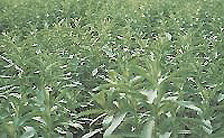
Stevia sweetener is a natural sweetener extracted and purified from the sweetness components contained in the leaves of Stevia rebaudiana BERTONI, a plant native to South America, and is 200 times sweeter than sugar, so it can reduce the calorie intake of sweetness. It has been used as a sweetener for more than 300 years in its place of origin, but stevia sweetener extracted and purified from the original leaves has been recognized as safe by the JECFA (FAO/WHO Joint Expert Council on Food Additives) as“Steviol glycosides (95% or more purity)”, and is widely used as a natural sweetener in beverages and tabletop sweeteners.
The Chemical Products Research Laboratory has developed and commercialized the SK Sweet™ series, which has an extremely sucrose-like taste quality that eliminates bitterness and astringency as much as possible by adding glucose to the highly purified stevia sweetener ingredients from the original stevia leaves and establishing a unique technology to control the number of glucose units added. SK SWEET Z3, which utilizes this technology, has obtained GRAS approval (No.GRN000375) from the United States as “Enzyme-treated stevia (purity 95% or more)” and is being considered for use.
For product details and the items handled, please refer to the Chemical Products page.
Higher use of wood components
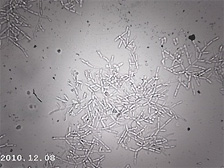
Although there has been research on the use of sugars contained in wood for a long time, the Company does not stop at yeast culture using this sugar, but also offers nucleic acid products, which are high-purity ribonucleic acid (RNA) extracted from cultured yeast, and nucleotide products for feed, produced by decomposing that RNA. We are researching the efficient utilization of wood components based on various technologies established at the Chemical Products Research Laboratory, including yeast culture technology to obtain higher RNA content.For product details and the items handled, please refer to the Chemical Products page.
Nucleic Acid (RNA) derived from Torula yeast
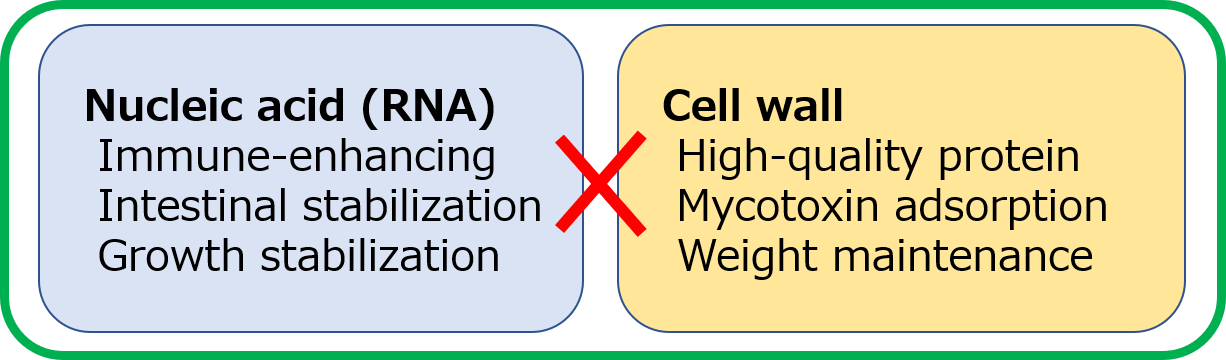
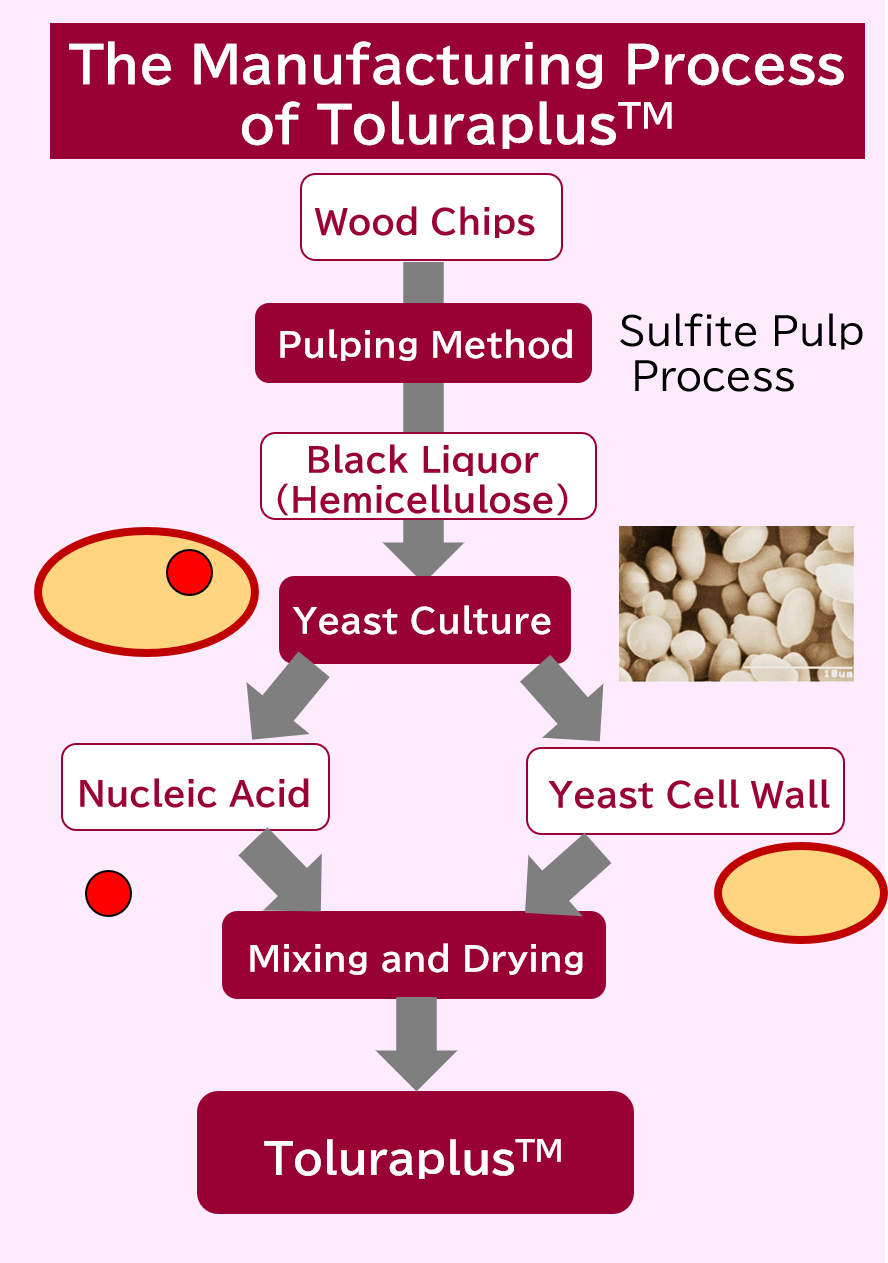
Nucleic acid (RNA) derived from Torula yeast is a new livestock supplement that maximizes immune effects by mixing "yeast cell walls," which are highly nutritious and have intestinal regulating effects, with "ribonucleic acid," an additive raw material for infant formula, using a unique new technology. At the beginning of development, we collaborated with various universities and academic institutions to accumulate basic data on the growth, survival rate, and immune function of various aquatic and livestock animals such as cattle, pigs, yellowtails, rainbow trout, and vannamei shrimp. As a result, the evaluation at the production site is now progressing smoothly, and the effect is clearly recognized at the actual production site.
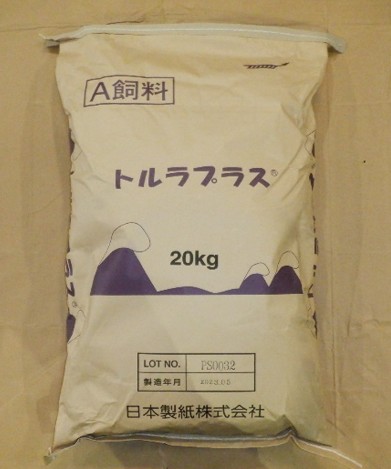
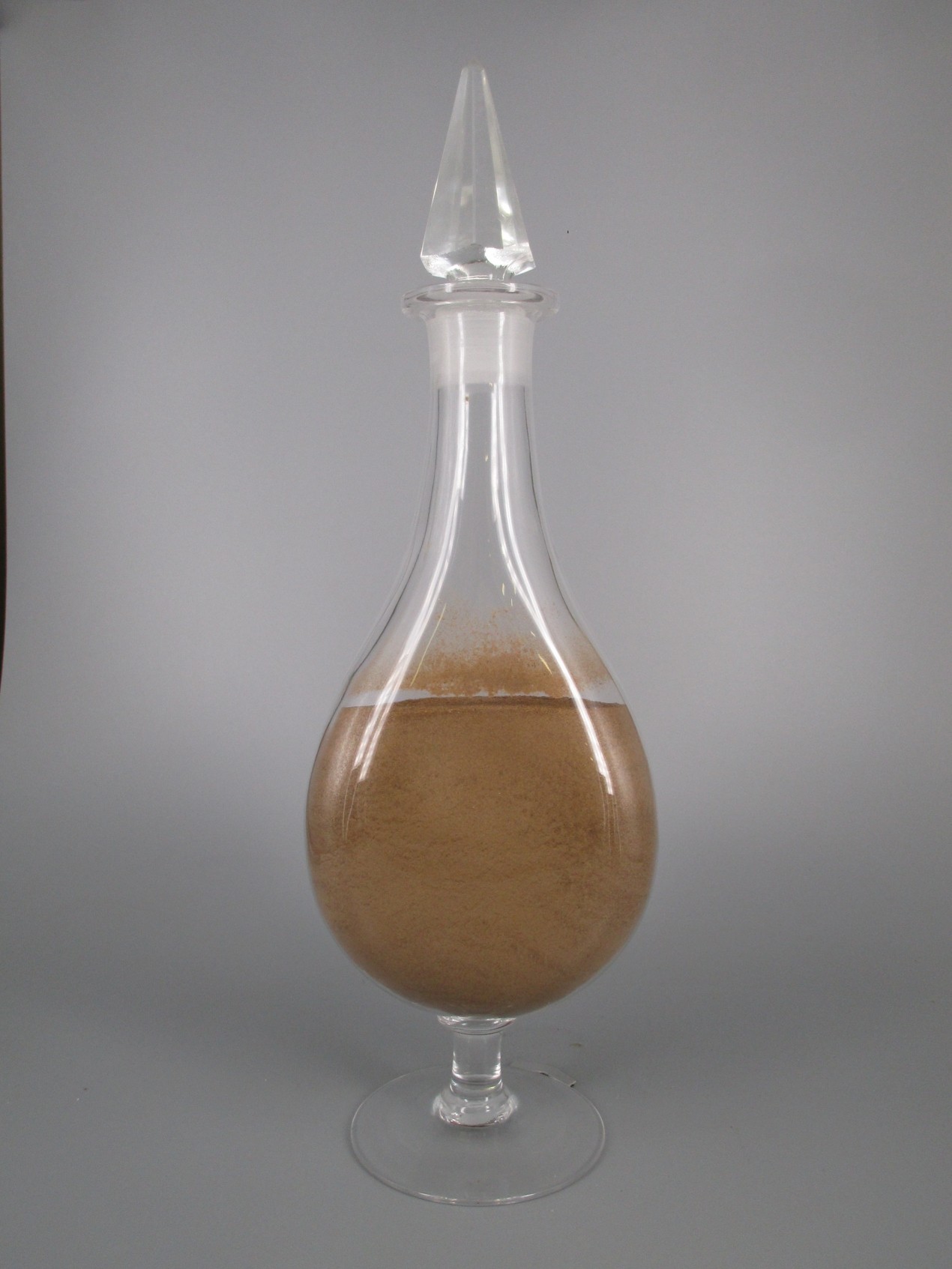
Nucleic Acid (RNA) derived from Torula yeast for animal husbandry supplement
|
This is a new feed designed to maximize the effects of RNA and cell wall by extracting nucleic acids (RNA) that originally exist in the cells of Torla yeast from the cell wall. |
|
|
|
|
Expected effects of nucleic acid (RNA) derived from Torula yeast on animal husbandry.
Feature Survey ~User Evaluation~
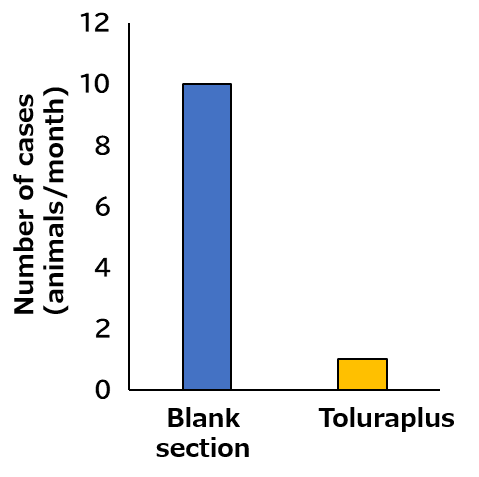
Dairy cow
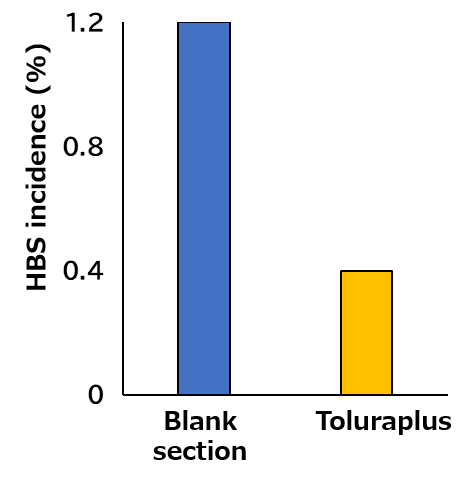
Hemorrhagic bowel syndrome (HBS)
・Symptoms: Bleeding from natural orifices (mouth, nose, anus, eyes...)
・Causative bacteria: Clostridium perfringens Until now, there have been no effective preventive measures for HBS, making its impact significant. The managing veterinarian presented this at a conference.
Pig
Early-onset colibacillosis
・Onset in piglets (from approximately 10 days of age)
・Severe diarrhea, dehydration, and extremely high mortality rates
Feeding pregnant sows has a positive effect on piglets, and inquiries for pregnant sows have increased significantly.