
NPG at a Glance
“Shaping the Future with Trees”
〜NIPPON PAPER GROUP's Business Expansion〜
Making full use of Forest Resources
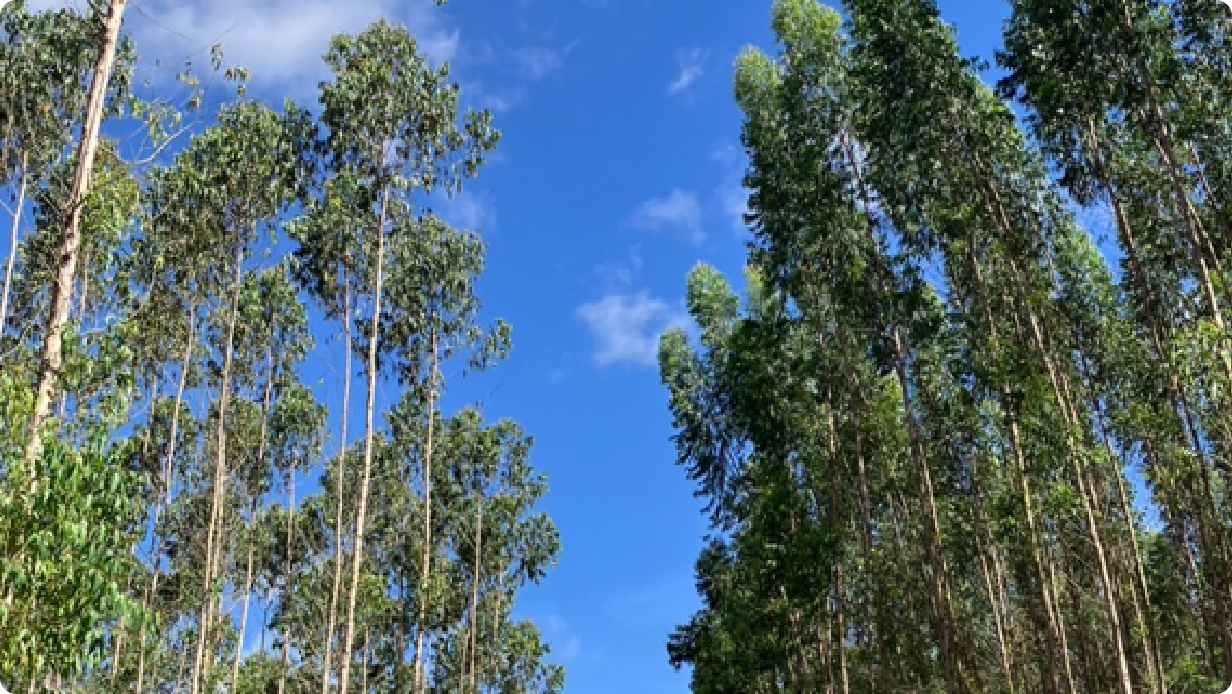
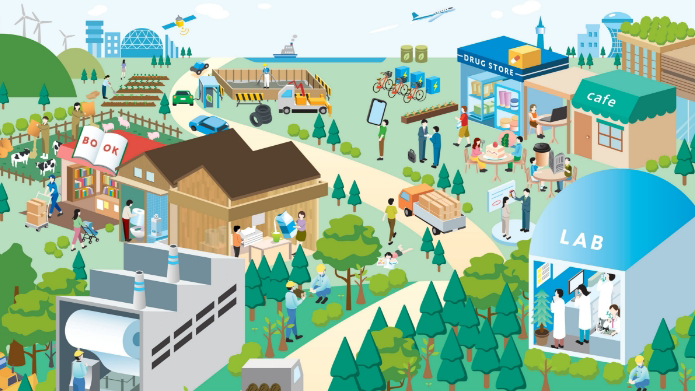
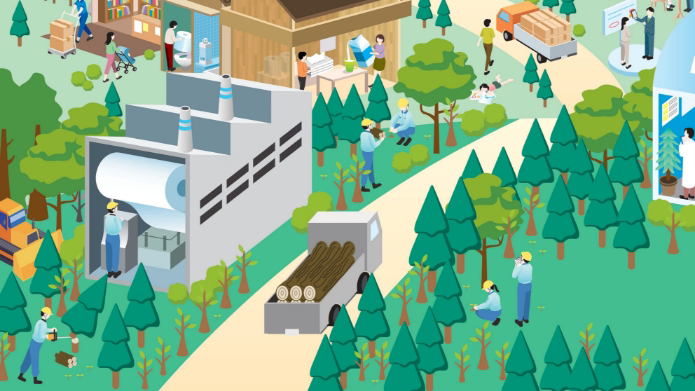
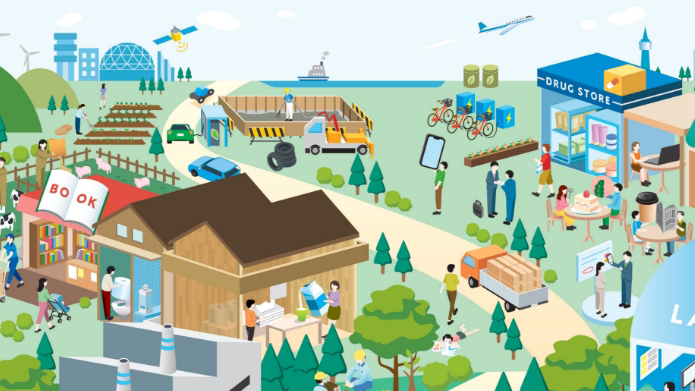
NIPPON PAPER GROUP achieves sustainable utilization of wood resources by "planting," "growing," "logging," and "using" wood, its raw material.
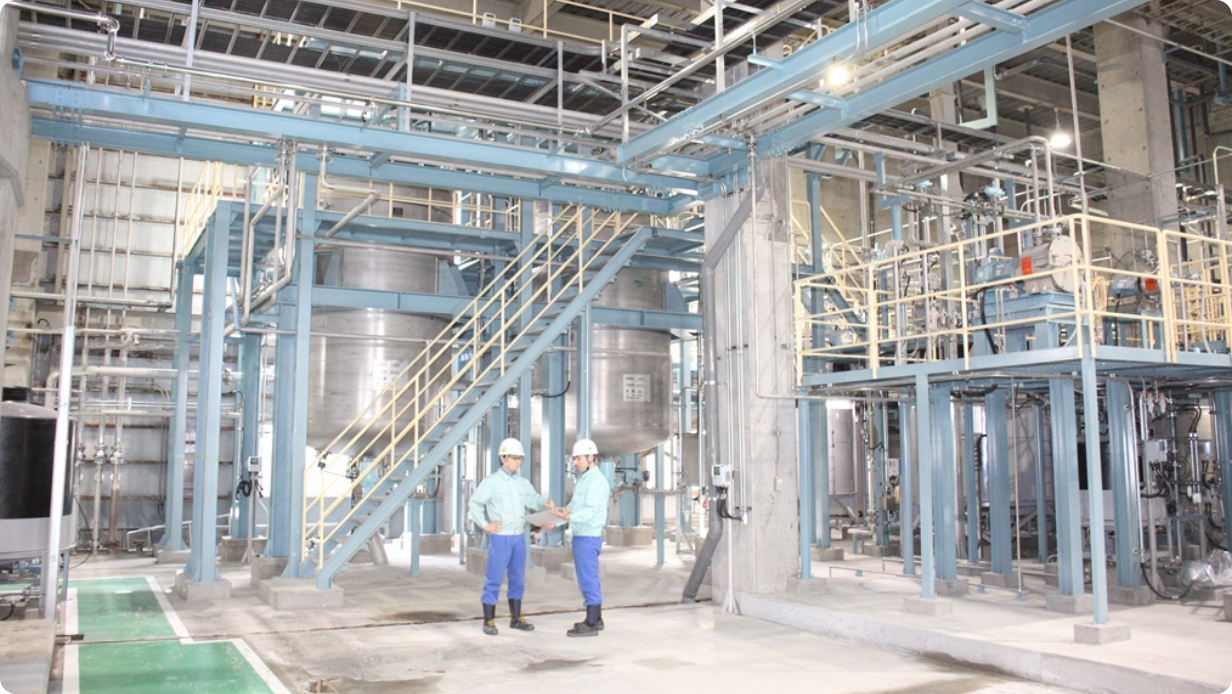
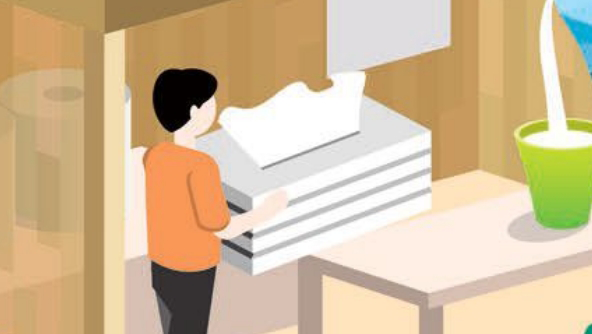
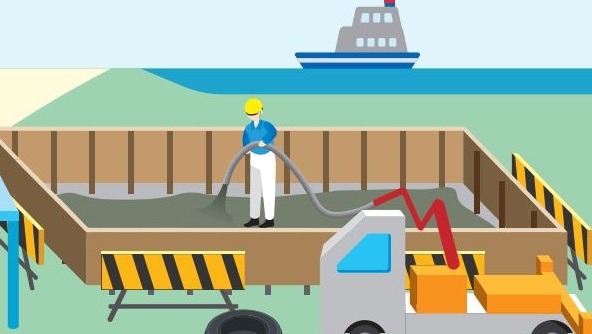
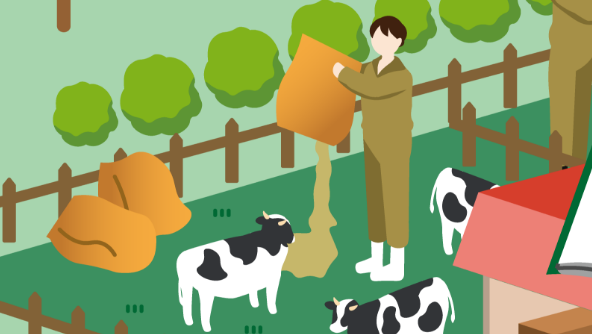
The harvested wood is fully utilized for lumber, various paper products, and chemical products such as cellulose nanofiber and functional films. We are also committed to recycling waste paper. Furthermore, we are developing new wood-derived products for the future, such as cattle feed and bioethanol.
In addition, we effectively utilize the black liquor generated during the manufacturing process as green energy.





Strengths of NIPPON PAPER GROUP
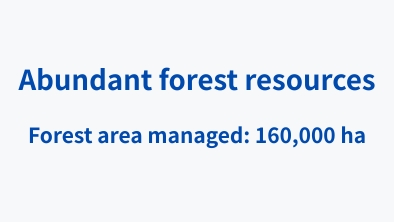
We own forests both domestically and internationally, and have accumulated knowledge of forest management over many years. Company-owned forests are also used as fields for the practice of forest-related technologies and biodiversity conservation activities.
*As of March 2025
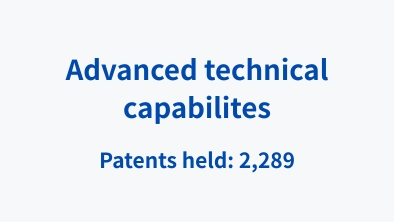
We possess forest development technology and utilization technology for a wide range of wood resources. The breadth of our business in developing wood-derived chemical products is at the highest level in the industry.
*As of March 2025

We have built a strong network with external parties in procurement, sales, and R&D, leading to the securing of raw materials, the expansion of product sales, and the commercialization of new technologies.
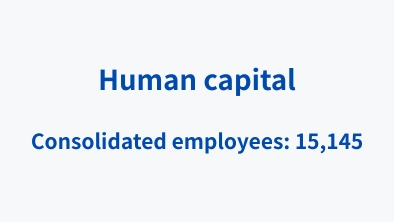
At our bases in Japan and overseas, we have human resources from diverse backgrounds who are active in various fields such as manufacturing, research, and sales.
*As of March 2025
Business Segments
Our business segments are: “Paper& Paperboard,” “Daily-Life Products,” “Energy,” “Wood Products and Construction Related,”and “Others”.
Percentage of sales by business (FY2025)
1,192.6 billion yen
Daily-Life Products Business
Sales: 482.0 billion yen (FY2025)
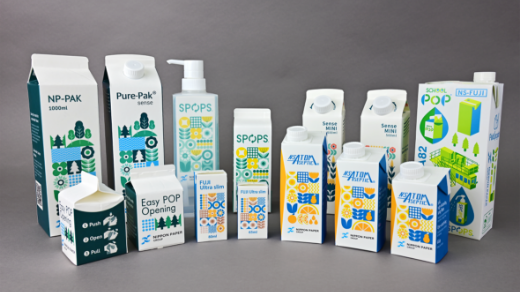
Main Products (Packages)
-
liquid packaging carton
-
liquid packaging boards
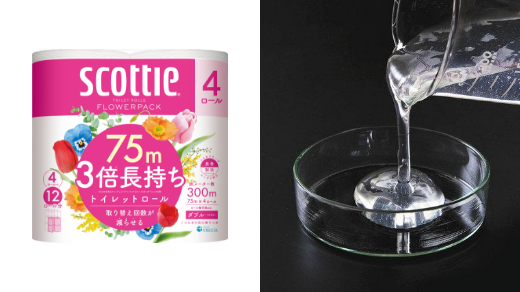
Main Products [HouseholdPaper&Healthcare]
-
toilet rolls
-
Tissue
-
Paper Towel
-
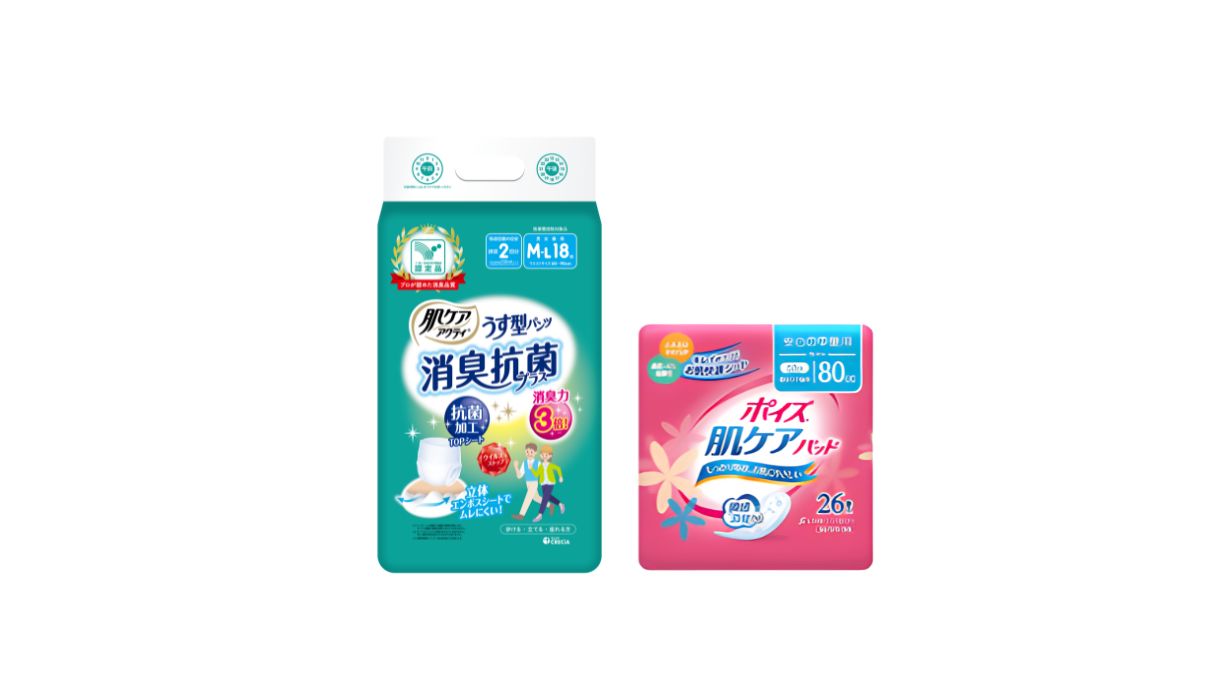
Adultpaper diaper
Main Products [Chemicals]
-
dissolving pulp
-
Functional cellulose
-
Functional chemical products
-
Functional coating resins
-
Functional films
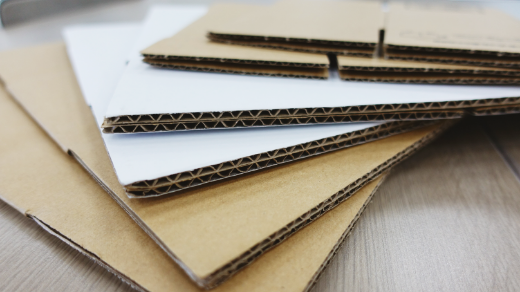
Paper and Paperboard Business
Sales: 557.9 billion yen (FY2025)
Main Products
-
newsprint paper
-
printing paper
-
business communication paper
-
IndustrialPaper
-
functional specialty paper
-
containerboards
-
white paperboards

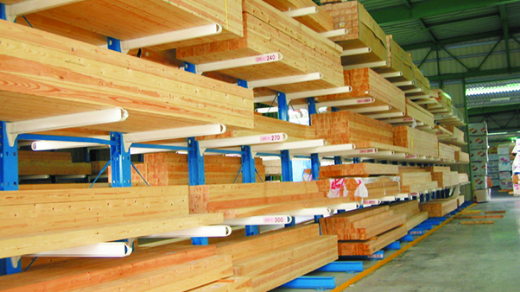
Wood Products and Construction Related Business
Sales: 76.5 billion yen (FY2025)
Main Products
-
Logs
-
Buildimg Material
-
raw materials and fuel
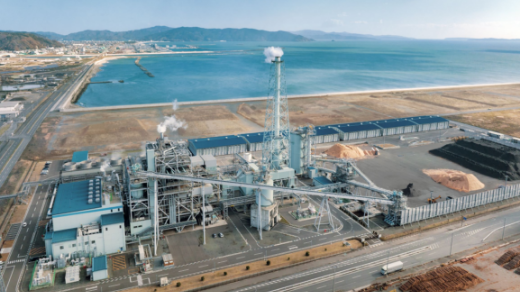
Energy Business
Sales: 43.2 billion yen (FY2025)
Electricity sales
Other Businesses
Sales: 33.0 billion yen (FY2025)
-
Leisure
-
Logistics
We will answer your questions
-
Given the company name "Nippon Paper," does it only produce graphic paper?
-
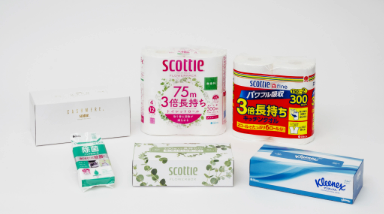
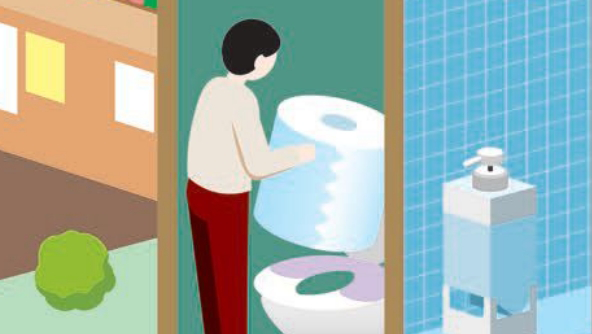
NIPPON PAPER GROUP provides a variety of products that are closely related to people's daily lives, such as tissues and toilet rolls (household paper), paper cartons such as milk cartons, and wood-based additives for food and cosmetics. The sales ratio of the“Daily-Life Products Business”segment, which includes these products, has doubled in the last decade.
22% (FY2015) → 41% (FY2025)
-
Doesn't cutting down trees for paper production lead to deforestation?
-
The NIPPON PAPER GROUP has established aprocurement policies and a procurement guideline for wood resources, and procures sustainable forest resources in accordance with these policies.
In addition, by owning forests in Japan and abroad and conducting sustainable forest management, we realize the “plant,”“nurture,”“cut,”and“use”cycle.
We also actively reuse waste paper such as newspapers, magazines, corrugated boxes, and are also working to recycle paper products that are often discarded, such as paper cups.
Forest Certification Acquisition Rate of domestic company-owned forests: 100%
-
When it comes to using wood, what else is there other than paper?
-
We have been researching cellulose nanofiber, wood defibered in nanometers and are developing a wide range of applications in fields such as food, cosmetics, industry, and civil engineering construction. In addition, many products that utilize wood components other than cellulose have been put into practical use.
NIPPON PAPER GROUP's Growth Strategy
We have formulated the new medium-term management plan “ Medium-Term Plan 2030 ”,covering five years from fiscal 2026 to 2030. In the Medium-Term Management Plan 2030, we have set three core strategies: optimizing the balance sheet (B/S), implementing structural reforms, and improving profitability. We will address key issues such as reducing interest-bearing debt, reviewing unprofitable businesses, expanding forestry and timber-related businesses, and strengthening profitability in improve profitability of Daily-Life Products Business to improve capital efficiency and achieve sustainable growth.
History
NIPPON PAPER GROUP has contributed to the creation of a rich life and culture throughout its long history.
We will make the most of renewablewood resources through diverse technologies and know-howand promote business development as a comprehensive biomass company.
Started Paper Contribute to the development and creation of Paper culture
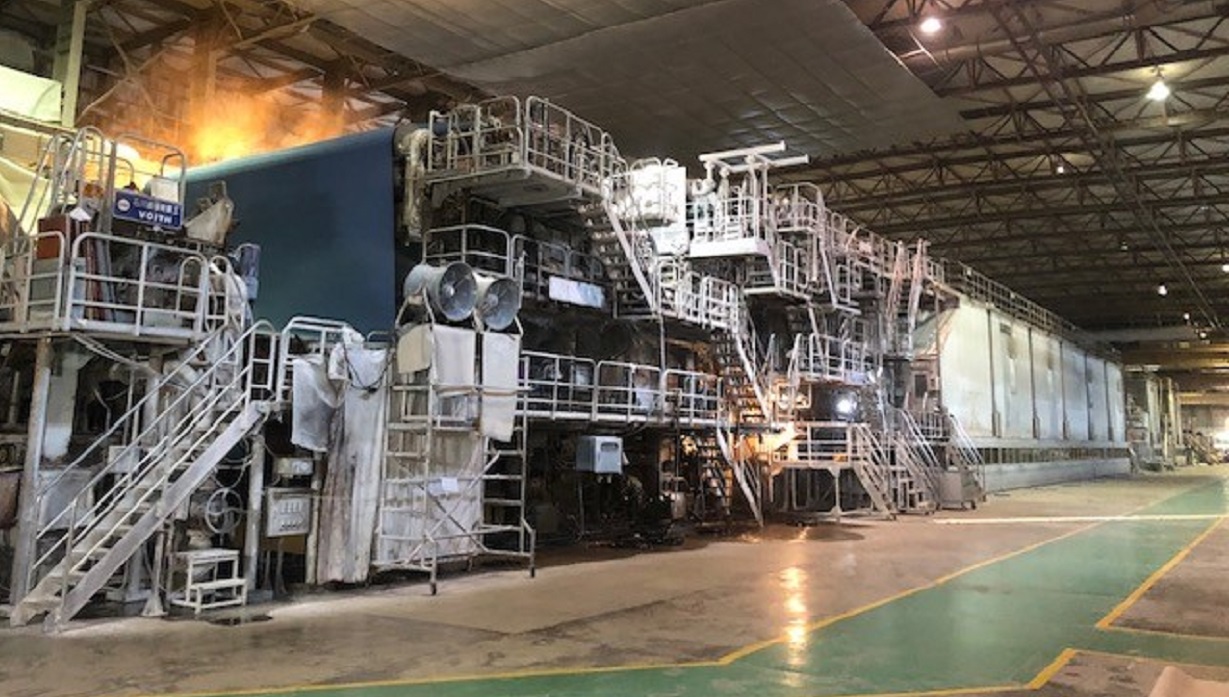
1873: Eiichi Shibusawa founded the papermaking Company, Proposed by Eiichi Shibusawa, Shoshi Kaisha was founded as one of Japan's pioneering paper manufacturing companies. (Changed the trade name to“OjiPaper” in 1893).
In addition to government demand for paper (government bonds, stamps, etc.), the demand for paper in the private sector, such as newspapers, magazines, and books, increased.
Expanding the application of Paperproducts
The basis of the current main business such as household paper,liquid packaging carton, and chemicals was born.
1949: Oji Paper was divided by the Excessive Economic Power Concentration Elimination Act, andJujo Paper Co., Ltd. was established. (laterNIPPON PAPER INDUSTRIES)
1950: Sanyo Pulp (later merged with Kokusai Pulp to become Sanyo-Kokusaku Pulp Co., Ltd) started production ofdissolving pulp, which is the raw material for Rayon. (One of the origins of the current Chemical Business)
1960s: Jujo Kimberly and Sanyo Scott (later Nippon Paper Crecia) were the first to mass-produce and launch tissues and toilet rolls in Japan (current household paper business)
Started sales of paper cartons.(current Liquid Packaging Business)Demand expands with high economic growth,
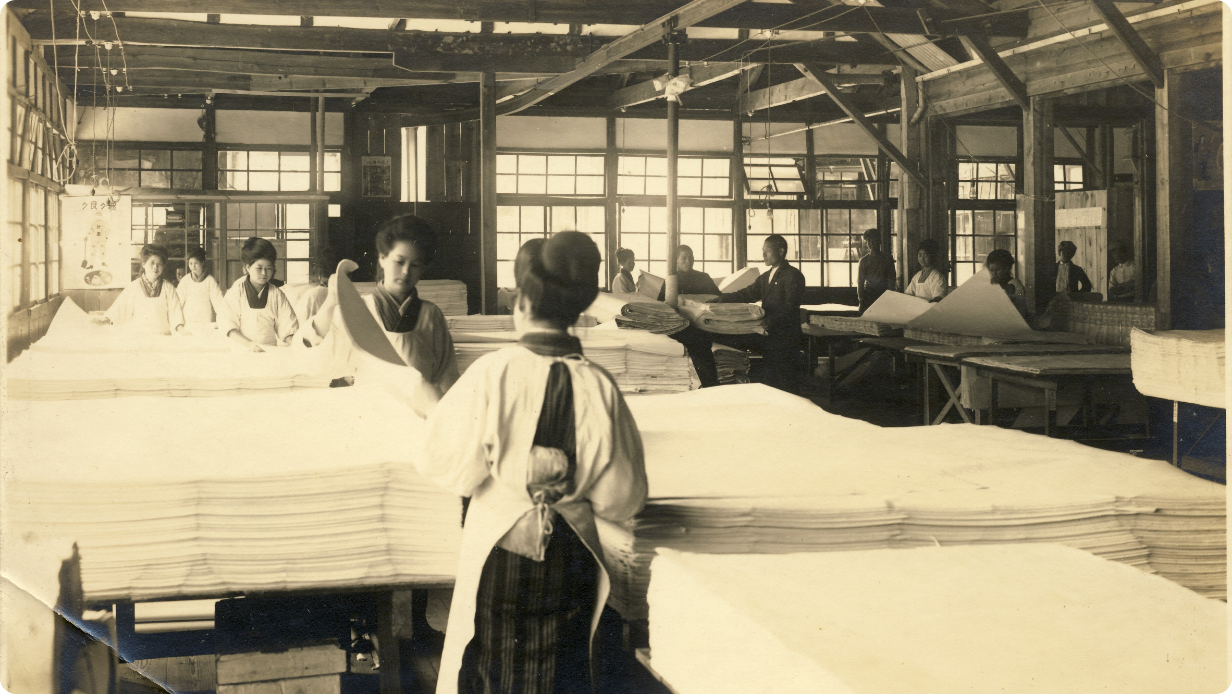
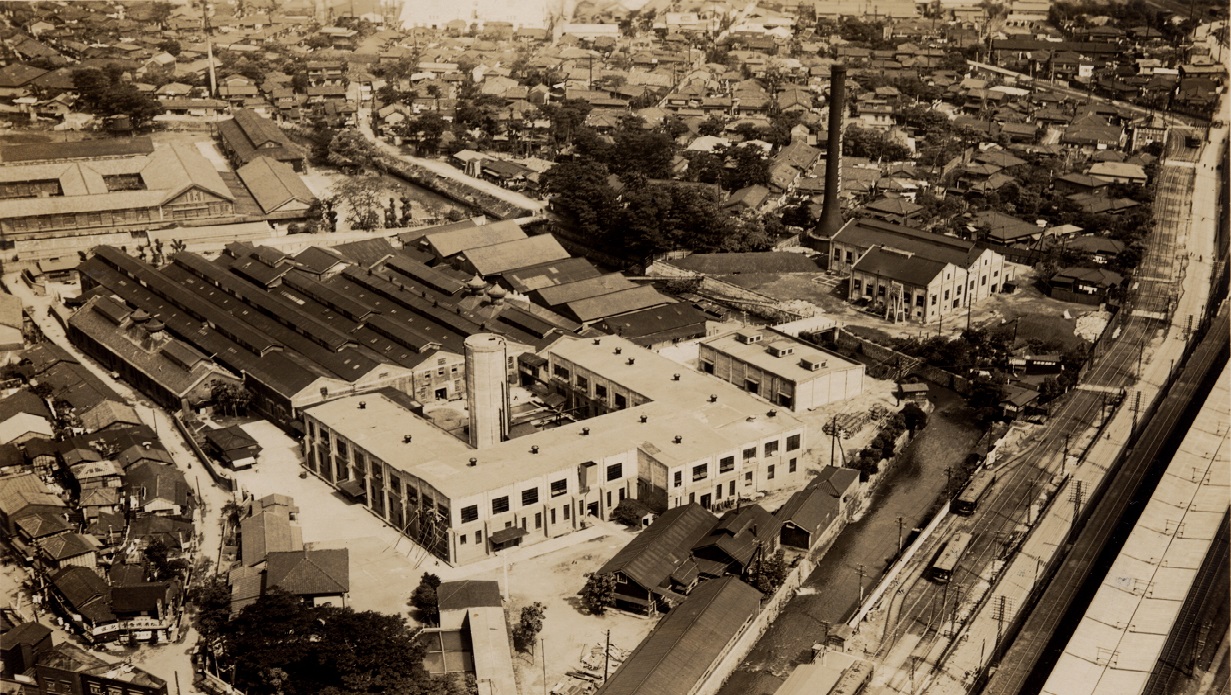
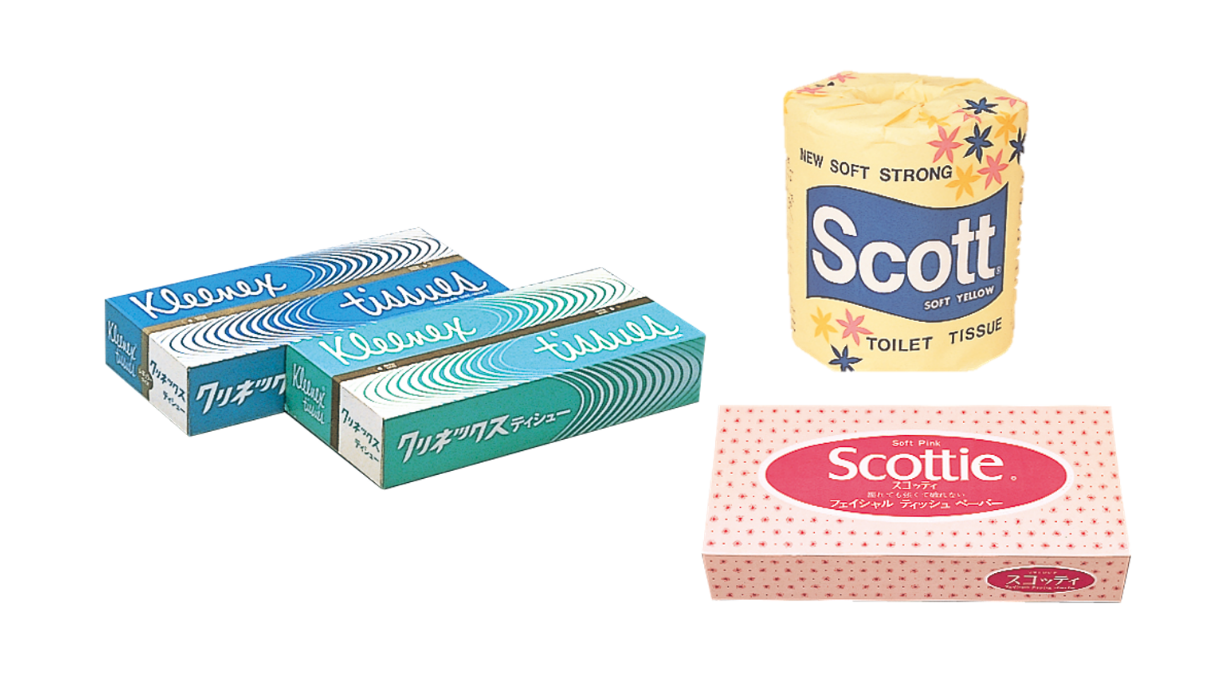
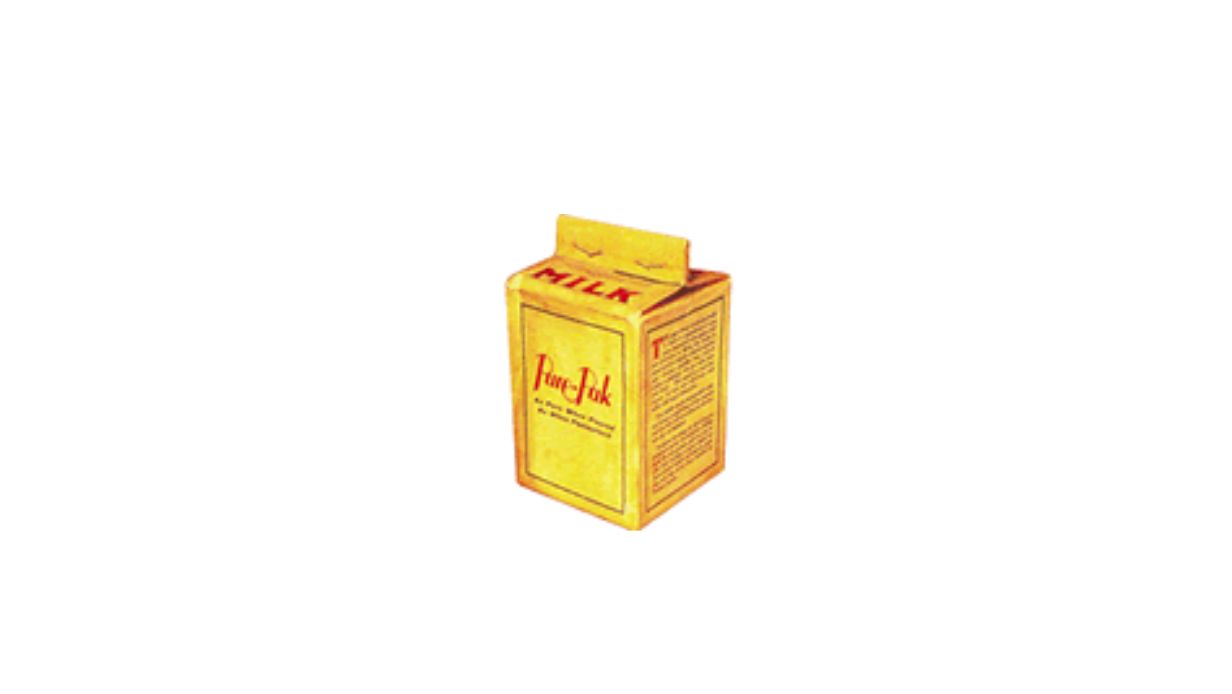
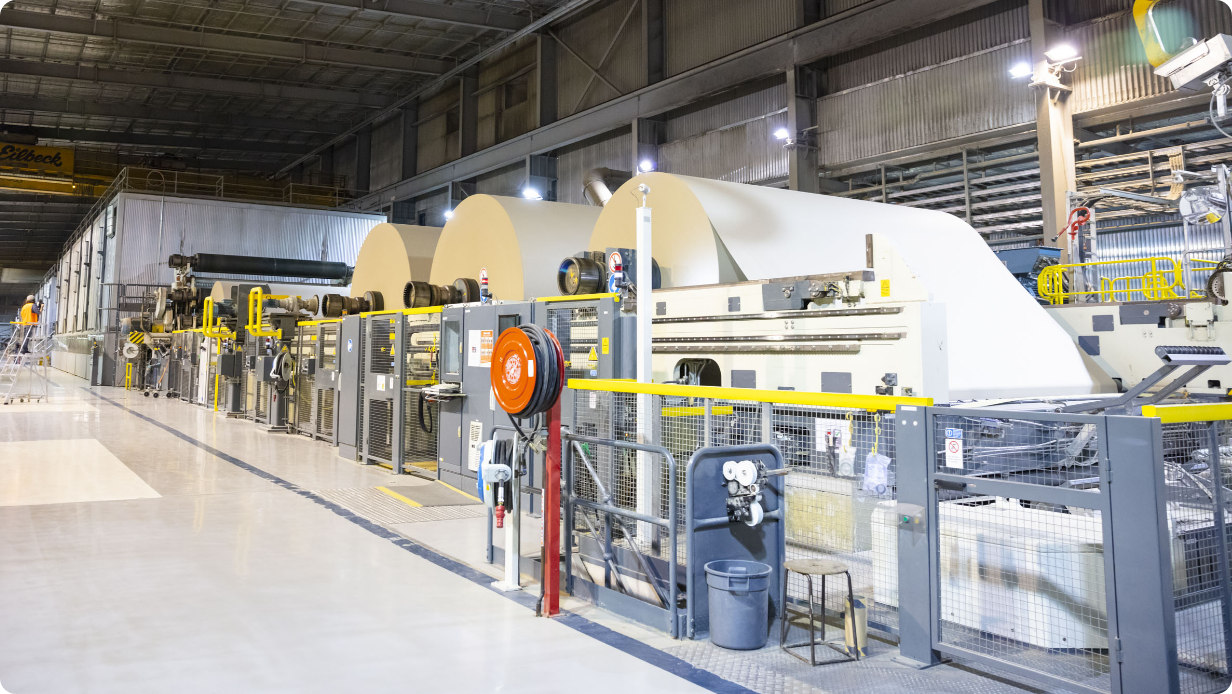
Nippon Paper Industries Produces One of the Largest Production Capacity of Paper, Paperboard, and Home Paper in Japan
Establishment of an environmental charter to conserve biodiversity and protect the environment
1993:Jujo Paper Co., Ltd.andSanyo-Kokusaku Pulp Co., Ltdmerge to establish NIPPON PAPER INDUSTRIES
1995: Consolidated sales exceeded 1 trillion yen
2001:Daishowa Paper Manufacturing Co., Ltd.and Nippon Paper Industries merge to establish Unipack Holding.(2004 NIPPON PAPER GROUP head office changed its trade name to Headquarters)
Establishment of an environmental charter
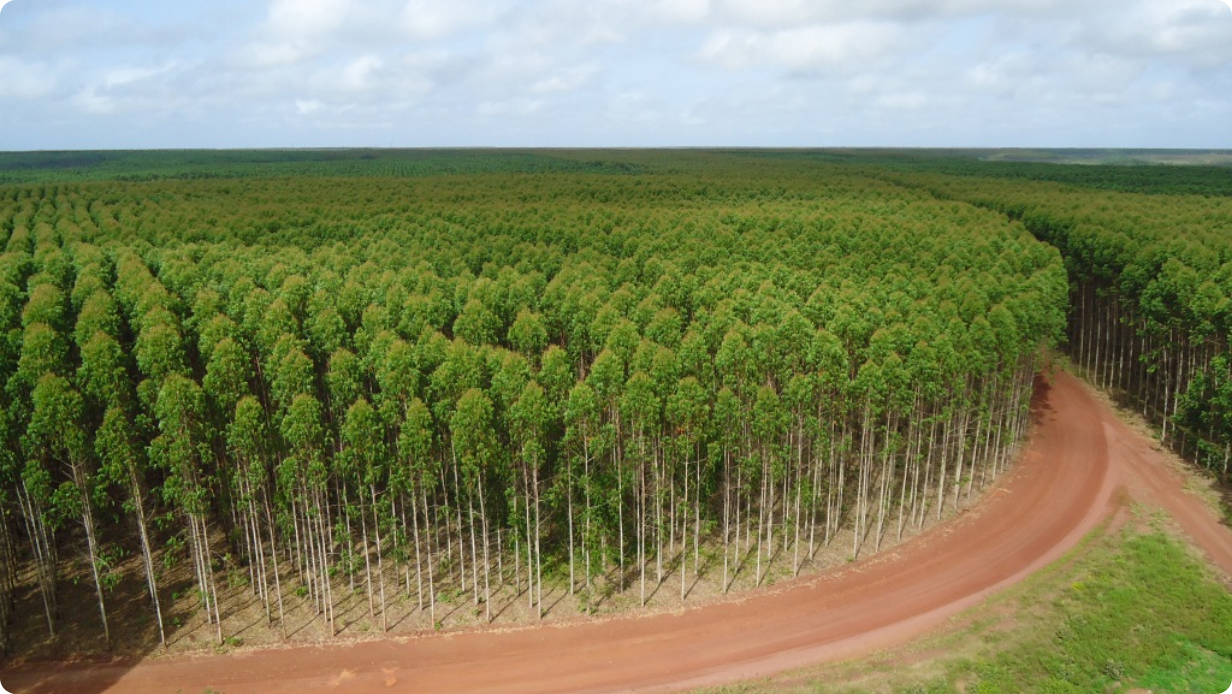
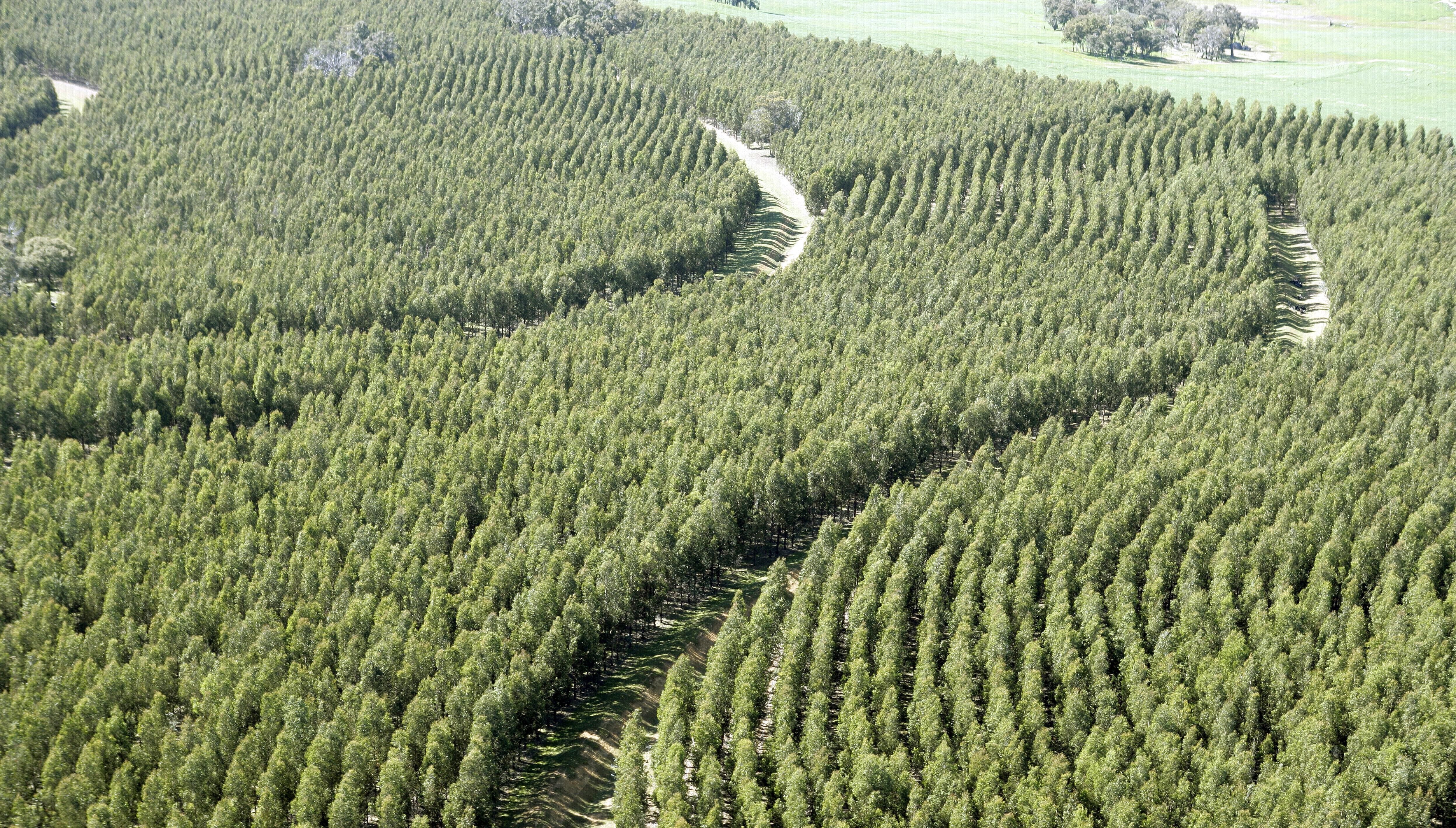
Starts overseas plantation in response to decline in paper demand advances fores development technologies
1992: Startedoverseas plantation businessto secure raw materials
1995: The world's first successful development of a method for mass production of cloned seedlings forplantation
*Specified mother tree... A tree designated by the Minister of Agriculture, Forestry and Fisheries as having excellent characteristics related to growth in order to improve the forest's ability to absorb and fix CO2. It is specified by criteria such as growth rate, pollen amount, and material.
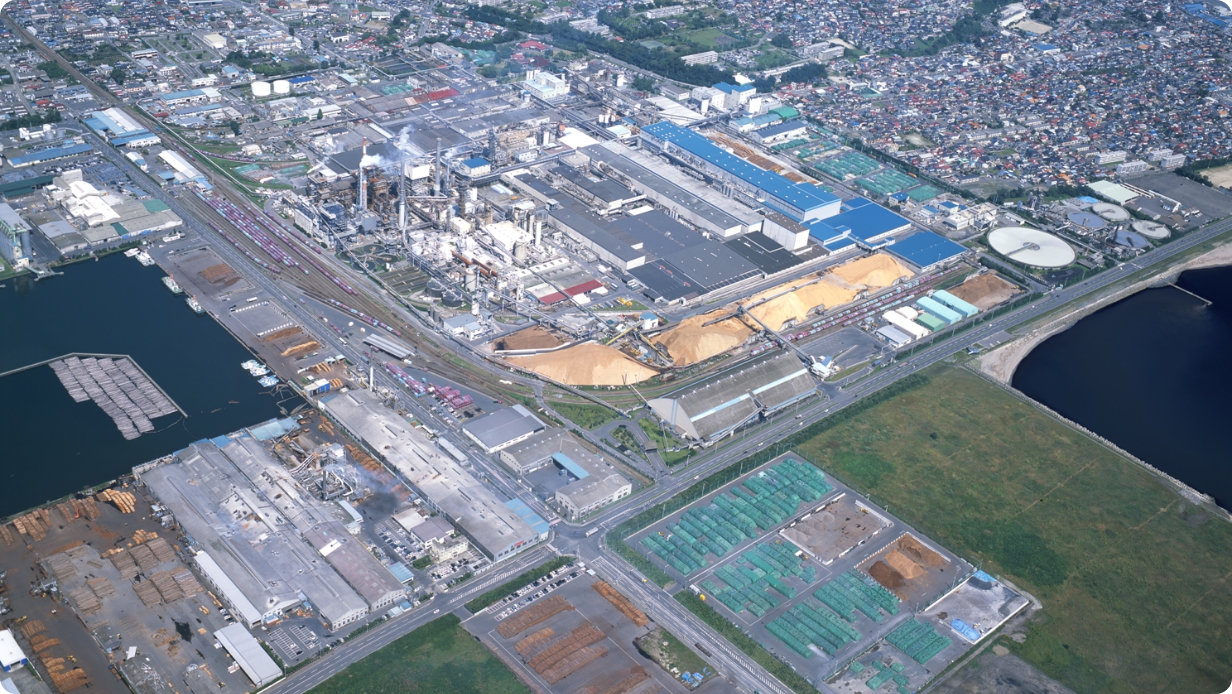
Promoting business structure transformation
Expanding products and services such as lifestyle and energy by making full use of wood utilization technology
2013: Nippon Paper and NIPPON PAPER GROUP head office merge to form the current form
2015: Started sales of the world's first functionalCellulose nanofiber(CNF) product
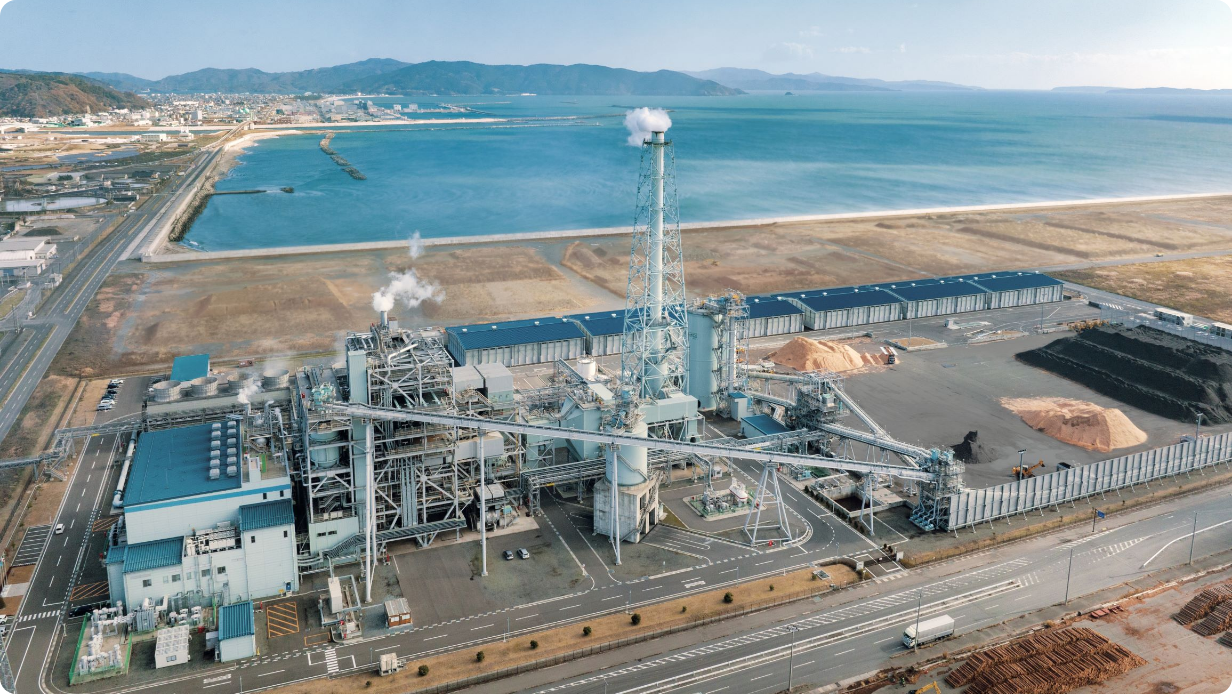
2018: Started coal andbiomassco-firing power generation business at Ishinomakimill
2019: Fujimill(Fuji) converted into aproduction sitefor the homePaper Business
Expanding Oversea businessand accelerating global expansion
2016: Acquired NDP (Japan Dynawave Packaging) (U.S.)
2020: Acquired the Paperand packaging division of the Australia and NZ business from Orora and established Opal Australia)
Forest Human Resource Development Further evolution of technology
2014: Using genomic information to select excellent individualsselective breedingtechnology
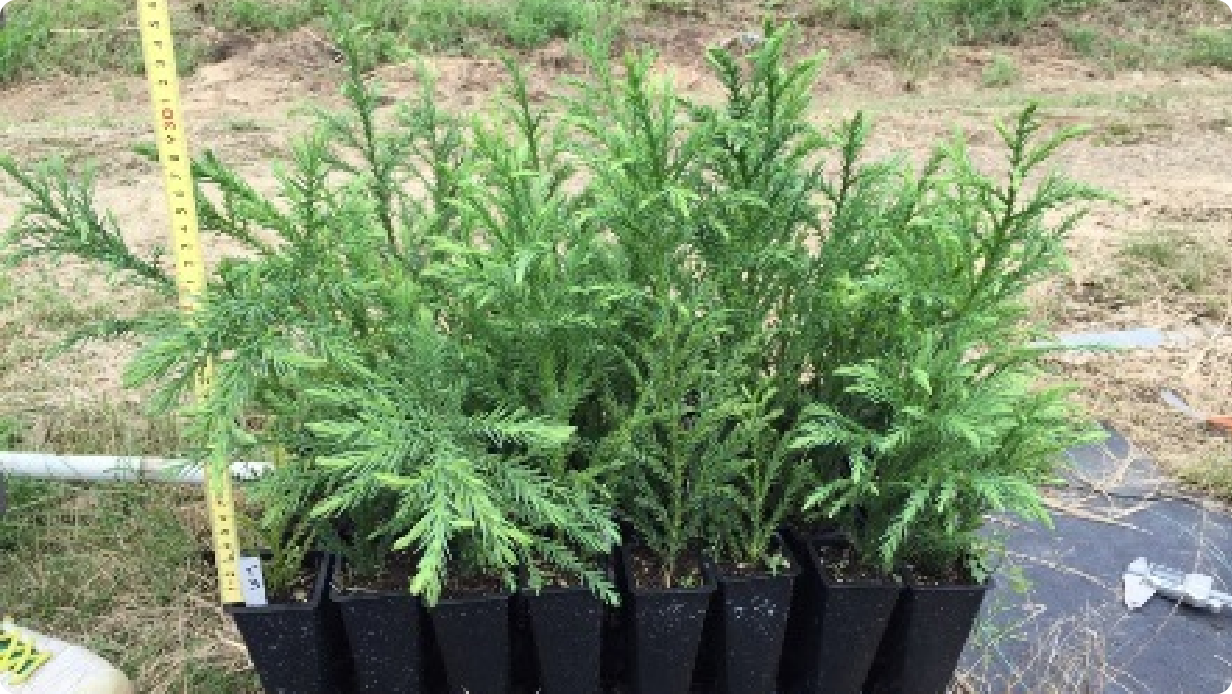
2015: Certification specified breeding company”as Japanese cedar Working on the propagation of specific mother trees ( Started theelite tree seedling business)
*Specified mother tree... A tree designated by the Minister of Agriculture, Forestry and Fisheries as having excellent characteristics related to growth in order to improve the forest's ability to absorb and fix CO2. It is specified by criteria such as growth rate, pollen amount, and material.
Continuously promote business structure transformation
Expansion of woody biomass products that contribute to solving Social Issues such as reducing environmental burden
2023: Launched“morisora project”with the aim of manufacturing and selling Bioethanoland other products using woody biomassas raw materials, and established a joint venture&"morisora biorefinery LLC";(2025)
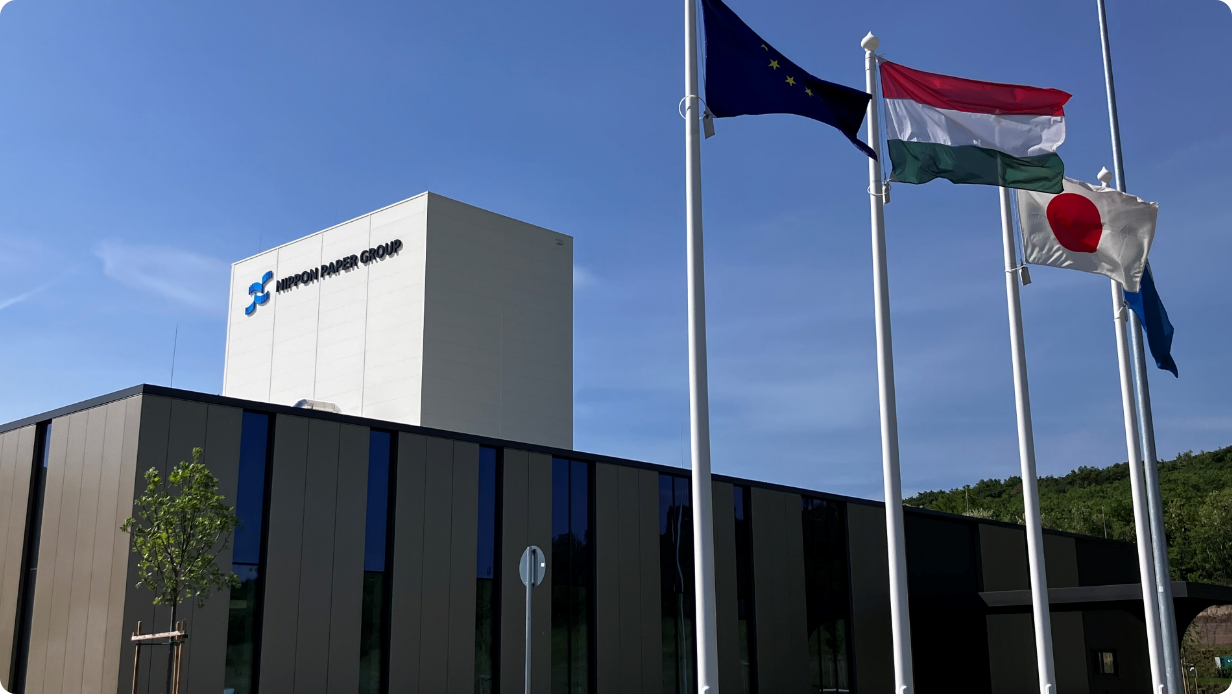
2025: Completion of a newmill(carboxymethylcellulose) plant for LiB in Hungary
Forest Human Resource Development Creation of resources through technology, resource recycling through recycling,
Carbon neutrality, working on minimum impact
2021: Formulated Environmental Vision 2050 and Environmental Target 2030
Set a GHG Emissionsreduction target (41% reduction by 2030 compared to 2013)
*Revised upward target for 2023 to reduce by 54% in 20132022: Started operation of recycling facilities for food and beveragepaper cartons(Fuji Mill)
Domesticelite tree seedlingsAccelerate Production Expansion2023: overseas plantationsites, Developing commercial clones using genomic information selective
(World's first practical application of eucalyptus in industrial plantation )